Asian lacquer trees produce a unique, natural sap that is
unequaled by modern imitations. The sap's strength makes
our products both highly durable and water-resistant.


Human use of this lacquer sap has a history that goes back to
the Stone Age, when it was originally utilized as an adhesive
throughout Asia. It is the Japanese, however, who were first
to recognize its inherent beauty and who first introduced
its use into their craftsmanship.


Some might be familiar with "wabisabi," a term that refers to
the appreciation of beauty that resides within things that
slowly alter their appearance with time. The term has come to
represent a quintessentially
Japanese sense of aesthetics and culture.


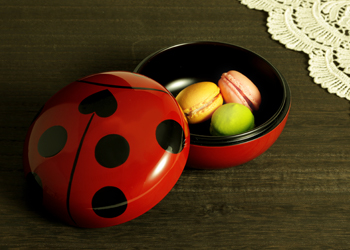
By combining the durability of lacquer with the slowly changing
beauty of "wabisabi," we have developed a line of representative
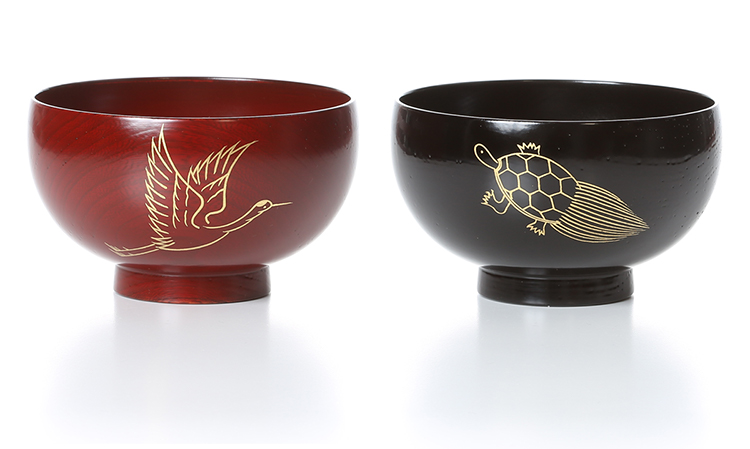
Japanese products that range from everyday tableware to
ceremonial items for special occasions.


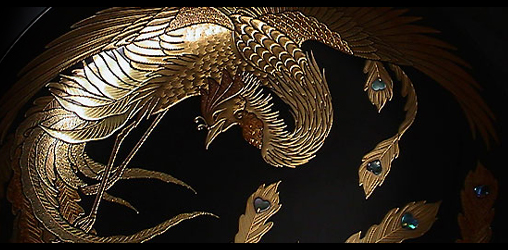
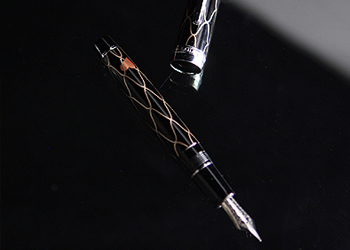
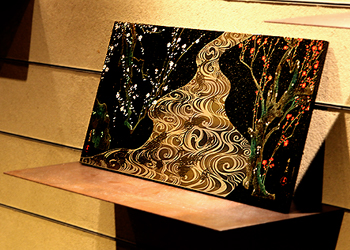
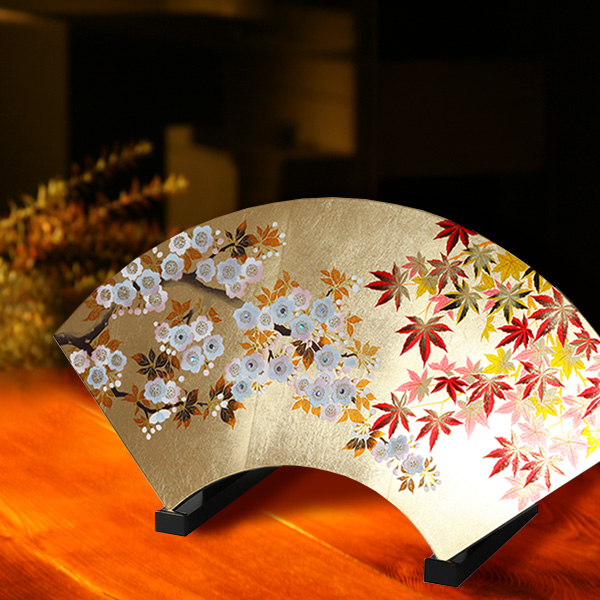
One among the several techniques that have developed in the
history of lacquerware making, "makie" is a Japanese gilding
technique that adds the illusion of a three-dimensional quality to
the images on a lacquered surface. Makie's meticulous
craftsmanship and its elegant finishing are what
gave lacquerware its original name as "japan" or "japanese".

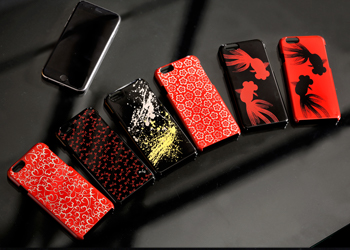
By applying new materials like cashew sap and wood compounds
(MDF), we strive to innovate reasonable, yet reliable products in
both traditional and contemporary styles.

Currently, our expanding product line includes not only
tableware but also stationery and accessories that are
particularly popular with overseas customers.

We hope our customers enjoy Japanese culture through
the beauty of our lacquerware.


Copyright © Yamada Heiando co.,Ltd.
All Rights Reserved